



You can nail your training and your protein and still leave gains on the table if you sleep poorly and recover slowly. Magnesium sits at the center of both, and it is one of the most commonly under-consumed minerals in the modern diet. The glycinate form has earned a reputation as the lifter's choice. Here is why magnesium matters for athletes, how glycinate stacks up against other forms, and exactly how to use it.
Why Magnesium Matters for Athletes
Magnesium drives more than 300 enzyme reactions in the body, including energy production, muscle contraction, and nerve function, yet it is one of the most commonly under-consumed nutrients in modern diets. For athletes the stakes are higher, because hard training and heavy sweating both deplete magnesium faster. Run low and you may notice worse sleep, more cramps, lingering fatigue, and slower recovery, all of which quietly cap your progress.
What Sets Magnesium Glycinate Apart
Magnesium glycinate is magnesium bound to the amino acid glycine, and that pairing is what sets it apart. It is highly absorbable and far gentler on the stomach than forms like magnesium oxide or citrate, which often cause a laxative effect at useful doses. That makes glycinate the better choice for daily use and for taking before bed.
The glycine half is a bonus, not just a carrier. Glycine is a calming amino acid shown to support deeper, more restorative sleep on its own. So magnesium glycinate delivers two relaxation-friendly compounds in one, which is exactly why it has become the go-to form for sleep and recovery.
How Glycinate Improves Your Sleep
Magnesium helps regulate the neurotransmitters that calm your nervous system, including boosting the activity of GABA, the chemical that helps your brain wind down for sleep. Better sleep is not a soft benefit for a lifter. High-quality sleep is when the bulk of your growth hormone is released and the majority of muscle repair happens.
That is the real recovery link. By helping you fall asleep faster and reach deeper sleep stages, magnesium glycinate indirectly improves your body's ability to rebuild the muscle you broke down in training. Poor sleep blunts recovery no matter how clean your nutrition is.
The Link to Cramps and Recovery
Magnesium is essential for muscle relaxation, the other half of every contraction, so adequate levels help prevent the cramping and tightness that nag hard-training athletes. It also supports electrolyte balance, which is why it belongs in the recovery conversation alongside sodium and potassium.
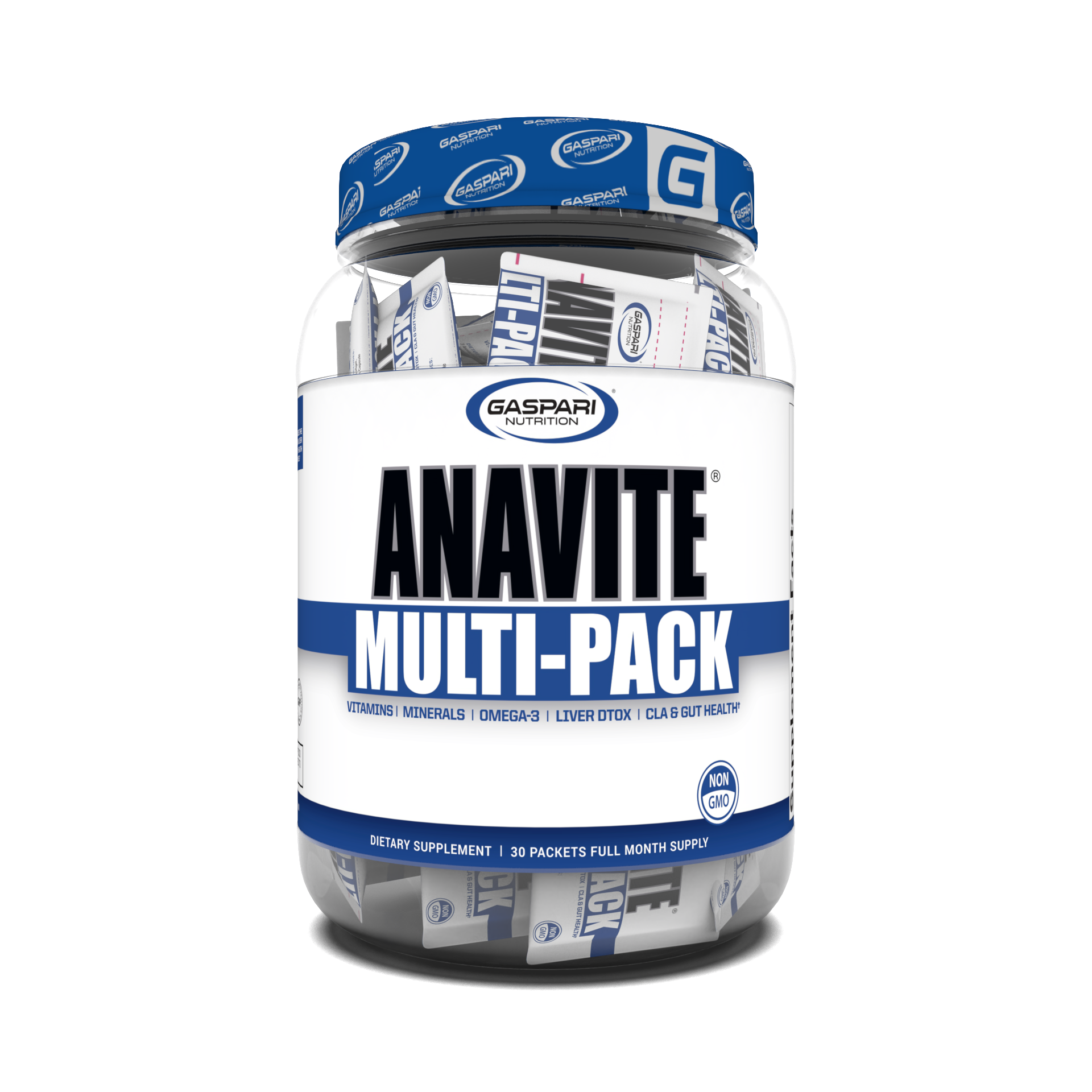
Magnesium rarely works alone, though. It pairs naturally with the other micronutrients that training depletes, which is why a performance multivitamin like Anavite includes magnesium as part of a broader recovery formula. For lifters who want recovery support that reaches the muscle directly, Creatine HMB adds creatine and HMB to help preserve and rebuild muscle between sessions.
How Much to Take, and When
Start with your daily target. The recommended intake is about 420 milligrams per day for men and 320 milligrams for women, counting food and supplements together. From supplements specifically, most people do well with 200 to 350 milligrams of elemental magnesium, and it is smart to begin at the lower end to see how your body responds.
Timing favors the evening. Taking magnesium glycinate one to two hours before bed lines up with its calming, sleep-supporting effects. If you take a higher total dose, splitting it across the day improves absorption and comfort. Consistency matters more than any single dose, so make it a nightly habit.
Getting Magnesium from Food
You can get a good amount, but many active people still fall short. Magnesium-rich foods include leafy greens, nuts and seeds, beans, whole grains, and dark chocolate. Building those into your meals should be the foundation, and for some people a solid diet covers the daily requirement on its own.
The problem is that hard training and heavy sweating raise your needs while modern diets and depleted soils often deliver less than they used to. That gap is why so many athletes test low despite eating reasonably well. A supplement is not about replacing food, it is about closing the shortfall on top of it. Start with the food sources, then add a well-absorbed form like glycinate in the evening to make sure you consistently hit your target, especially during heavy training blocks when recovery demands are highest.
Making Magnesium Part of Your Recovery Stack
Magnesium glycinate is a quiet workhorse for lifters: highly absorbable, easy on the gut, and doubly useful thanks to the glycine that rides along with it. It supports the deep sleep where real recovery happens, eases cramps, and helps round out the minerals that hard training burns through. Take 200 to 350 milligrams in the evening, stay consistent, and treat it as the recovery foundation it is. Better sleep and fewer cramps.

Share:
Intra-Workout Supplements Explained: What to Take Mid-Workout
Natural GLP-1 Support: Supplements and Habits That Help