



Walk into any serious gym and you will see lifters sipping colored drinks between sets. Some of it is marketing, but a good chunk of it is backed by real science. So what should you actually be drinking while you train? This guide breaks down intra-workout supplements: what they are, which ingredients earn a spot in your bottle, who benefits most, and how to time them so you train harder and recover faster.
What Intra-Workout Nutrition Actually Means
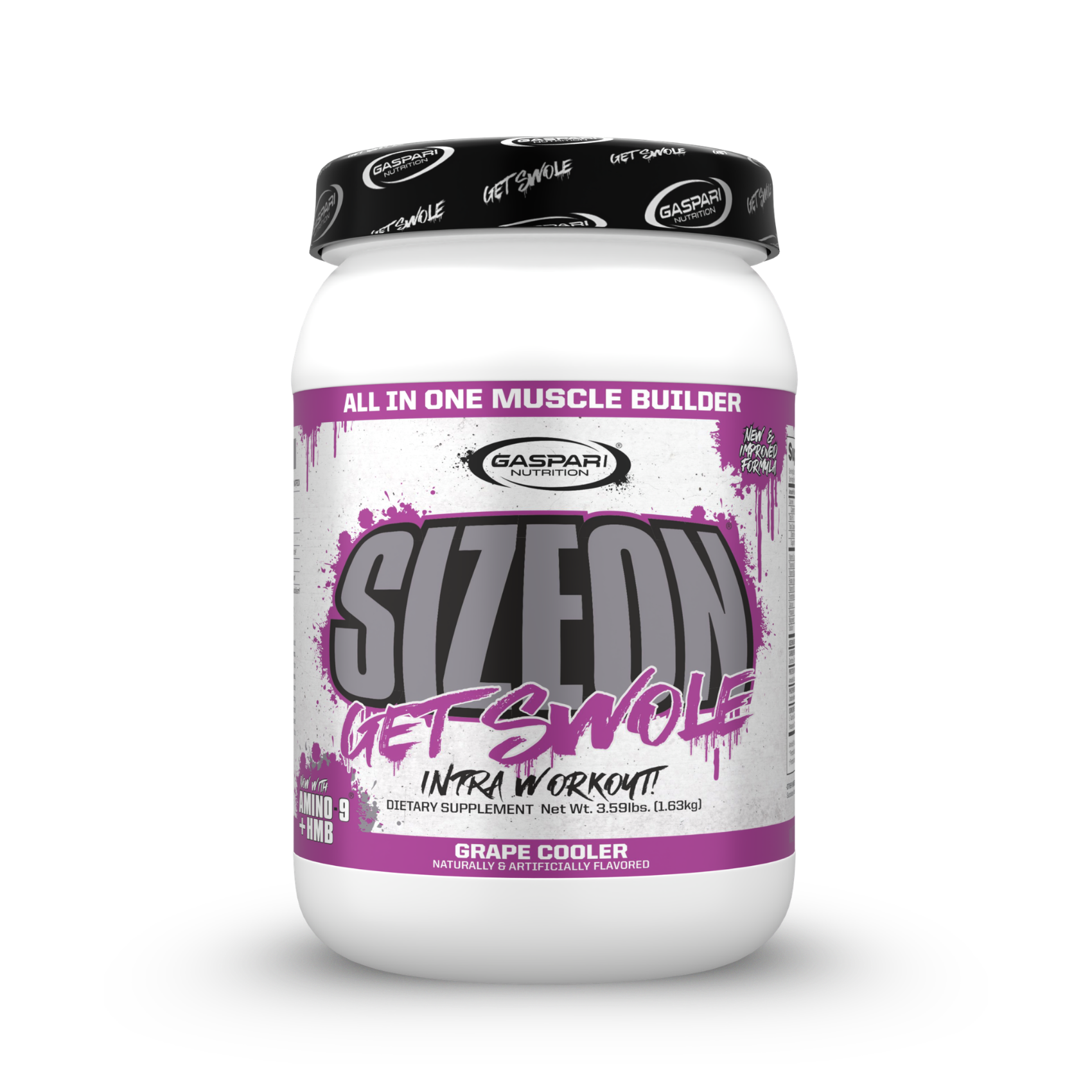
Intra-workout supplements are products you consume during a training session, as opposed to before it or after it. The three with the most evidence behind them are essential amino acids to protect and build muscle, fast-digesting carbohydrates to fuel longer sessions, and electrolytes to replace what you sweat out. The goal is to keep your body supplied in real time so performance and recovery do not slip while you are still training.
The Truth: Most Workouts Do Not Need It
Most lifters running a standard 45-minute session with a meal on either side do not strictly need anything more than water. Intra-workout fueling earns its place as the demands climb. Think sessions longer than 60 to 90 minutes, fasted training, very high training volume, double days, or heavy sweating in hot conditions. In those cases, what you sip is the difference between finishing strong and grinding out your last sets on an empty tank. If your workouts are short and you eat well around them, save your money and drink water.
EAAs Are Your Muscle Insurance
Essential amino acids are the strongest mid-session pick for one reason: research in the American Journal of Physiology found that a dose as small as 3 grams of EAAs can stimulate muscle protein synthesis, the process that repairs and grows muscle. The nine essential aminos, including the branched-chain trio of leucine, isoleucine, and valine, are the raw material your body cannot make on its own.
The response climbs up to roughly 15 grams, beyond which extra aminos add little. Taking EAAs during exercise also helps blunt muscle breakdown, which matters most when you train fasted or while dieting. This is also why EAAs beat plain BCAAs mid-session: branched-chain aminos alone cannot build complete muscle protein, while the full nine can. A full-spectrum formula like Proven EAAs covers all nine in a leucine-forward ratio, so you get the complete picture instead of a partial one.
Carbs Earn Their Place on Long Sessions
Once your session runs past 60 to 90 minutes, carbs start to earn their keep. Sports nutrition guidelines from the American College of Sports Medicine recommend 30 to 60 grams of carbohydrate per hour for endurance efforts of 1 to 2.5 hours, and up to 90 grams per hour for prolonged work beyond that. Carbs keep blood glucose steady and spare muscle glycogen, the stored fuel your muscles burn during hard sets.
The catch is your stomach. Plain sugary drinks can sit heavy and turn into cramps. A specialized carbohydrate like GlycoFuse uses a highly branched cyclic dextrin that clears the stomach fast and delivers steady energy without the sugar crash, which makes it a smart intra-workout carb for high-volume lifting and endurance days alike.
Electrolytes Keep You Firing Late
Electrolytes matter because dehydration of just 2% of your body weight can cut endurance performance by up to 10%, and the hit is worse in the heat. Sodium, potassium, magnesium, and chloride manage your fluid balance, nerve signaling, and muscle contractions. You lose them in sweat, with sodium leading the way at roughly 1 gram per liter, though that ranges from about half a gram to over 2 grams per liter from person to person.
Watch for the warning signs of an imbalance: muscle cramps, dizziness, an early drop in strength, or a headache that creeps in late in the session. For long or sweaty sessions, a good target is 500 to 600 milligrams of sodium and at least 450 milliliters of water per hour. Chugging plain water alone can actually dilute your sodium, so pairing fluid with electrolytes protects both performance and safety.
Timing It Right
Start sipping early rather than waiting until you feel drained. Mix your EAAs, carbs, or electrolyte formula into 500 to 750 milliliters of water and drink steadily across the session, roughly every 15 to 20 minutes. For a typical 60 to 90 minute training block, a serving of EAAs plus electrolytes works well. Add a carbohydrate like GlycoFuse when the session is long, intense, or done fasted. Front-loading nutrients before you hit the wall is far more effective than trying to claw back energy once it is gone.
Building Your Intra-Workout Stack
Intra-workout supplements are not a gimmick, but they are not mandatory for every session either. The trick is matching the tool to the demand: EAAs to protect and build muscle, carbs to fuel endurance, and electrolytes to stay hydrated and firing. Get those three right on your hardest training days and you will hold output longer, push more total work, and recover quicker.
Ready to dial in your mid-workout nutrition? Build a stack around Proven EAAs and GlycoFuse, and match the right tools to your hardest training days.

Share:
Creatine Beyond the Gym: Brain Health, Aging, and Why Everyone Should Be Taking It
Magnesium Glycinate for Sleep and Recovery: A Lifter's Guide