



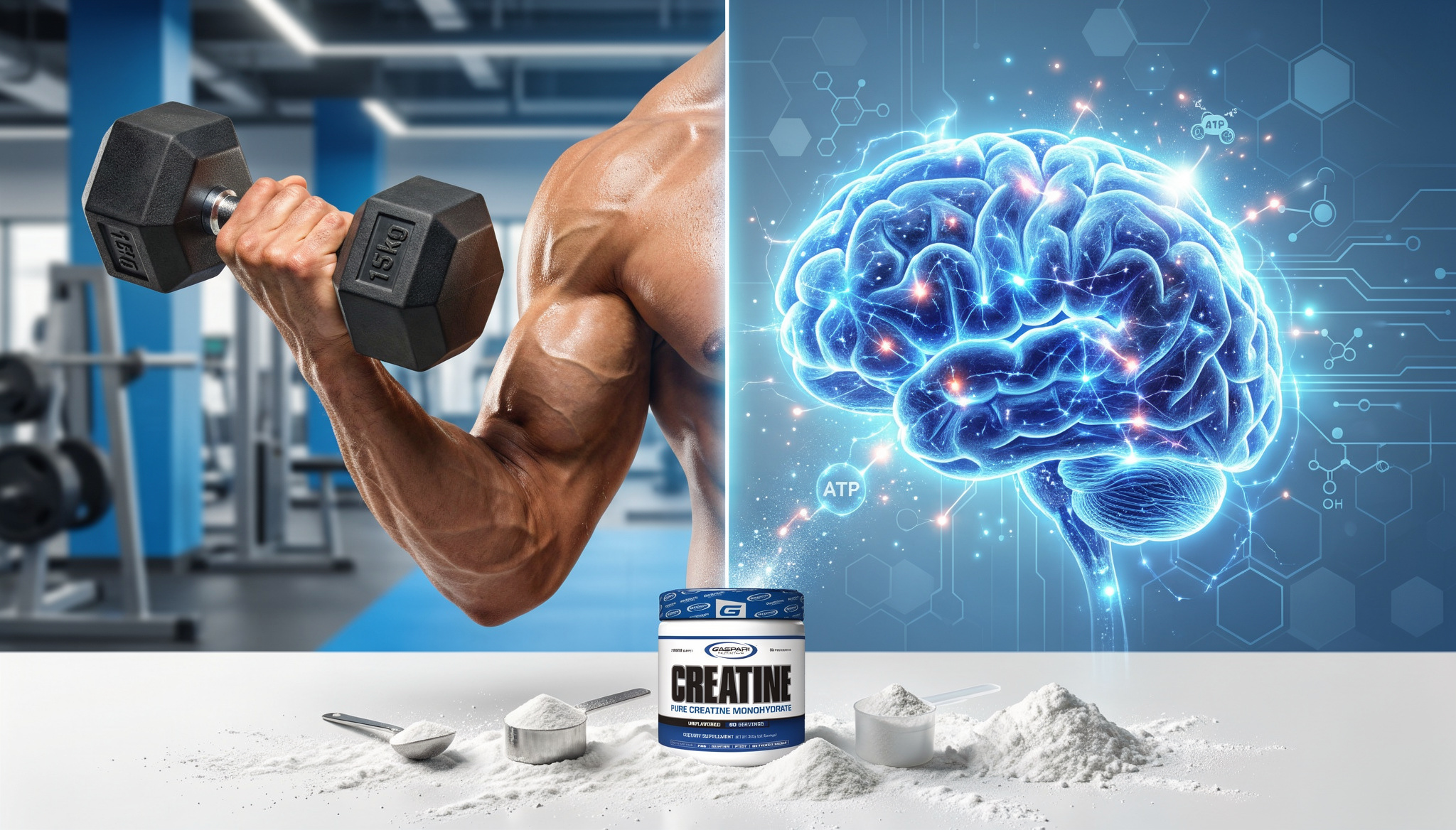
Creatine Beyond the Gym: Brain Health, Aging, and Why Everyone Should Be Taking It
Creatine has over 500 peer-reviewed studies behind it. That makes it the single most researched supplement in existence. But here's the thing most people miss: the majority of that research proves creatine does far more than build bigger muscles.
Your brain uses roughly 20% of your body's total energy despite making up only 2% of your body mass. It runs on ATP, and creatine's phosphocreatine system is one of the primary mechanisms for regenerating that ATP. The same compound fueling your bench press is also fueling your ability to think, focus, and remember.
Key Takeaways
- The brain consumes 20% of total body energy and relies on the same creatine-phosphocreatine system that powers muscles.
- A 2026 systematic review found creatine may support memory and cognitive function in older adults.
- 3-5g of creatine monohydrate daily is effective for both physical performance and emerging brain health benefits.
Your Brain Runs on the Same Fuel as Your Muscles
Every time a neuron fires, it consumes ATP. When cognitive demand increases -- problem solving, sustained focus, sleep deprivation -- your brain's ATP turnover spikes. Creatine donates a phosphate group to regenerate ATP from ADP, and this happens in both muscle cells and neurons.
The difference is getting enough creatine into the brain. Only about 5% of the body's creatine is stored there, and the blood-brain barrier limits how much gets through. Research suggests that consistent daily supplementation over weeks gradually increases brain creatine concentrations. That's why you won't feel a cognitive boost from a single dose the way you might notice a workout pump.
What Does the Research Actually Say?
A systematic review and meta-analysis published in Frontiers in Nutrition examined six randomized controlled trials involving 281 individuals. The findings showed evidence that creatine supplementation may improve short-term memory and intelligence/reasoning tasks.
A 2026 systematic review published in Nutrition Reviews specifically examined creatine and cognition in older adults. The authors concluded that current evidence suggests creatine "may be associated with benefits for cognition in generally healthy older adults," while noting that more high-quality trials are needed.
Perhaps the most compelling recent finding came from a pilot study at the University of Kansas Medical Center. Researchers gave creatine to patients with Alzheimer's disease and observed an 11% increase in brain creatine levels along with moderate improvements in working memory and executive function. It was the first study to demonstrate that creatine supplementation is both feasible and potentially beneficial in an Alzheimer's population.
A 2024 study published in Nature's Scientific Reports took a different angle. Researchers gave subjects a single high dose of creatine during sleep deprivation and found it improved cognitive performance for up to nine hours. The implication? Creatine may help protect brain function under stress -- exactly the conditions athletes, shift workers, and busy professionals face regularly.
Creatine and Healthy Aging
NAD+ boosters like NMN and TMG get a lot of longevity attention right now. But creatine may be the most practical and affordable longevity supplement available at roughly $0.03 per day.
Beyond cognition, creatine supports muscle preservation during aging (combating sarcopenia), improves bone density when combined with resistance training, and helps maintain functional strength and independence. For anyone over 40, these aren't abstract benefits. They're the difference between staying active and losing ground.
If you're already focused on supplements for staying strong after 40, creatine should be the foundation of that stack.
Creatine for Women: Breaking the Stigma
Searches for "creatine for women" have increased 123% year over year, and for good reason. Women benefit from creatine for the same reasons men do: better strength output, improved recovery, and emerging cognitive benefits.
The old concern about "bloating" is largely a myth. Creatine causes mild intracellular water retention within muscle tissue -- not subcutaneous bloating. This is temporary, subtle, and actually beneficial for muscle hydration and performance.
Dosing for women is the same: 3-5g of creatine monohydrate daily. No loading phase required.
How to Take Creatine for Body and Brain
Three to five grams of creatine monohydrate per day. That's the protocol supported by decades of research. Take it at any time that's convenient -- timing matters less than consistency.
Creatine monohydrate remains the gold standard. Other forms (HCl, ethyl ester, buffered) have not demonstrated superiority in head-to-head research, and they typically cost more.
Gaspari's Creatine Monohydrate delivers a straightforward, properly dosed product without unnecessary fillers or inflated claims.
Stacking Creatine for Maximum Impact
Creatine pairs well with just about everything in a well-designed muscle building supplement stack. A few combinations worth highlighting:
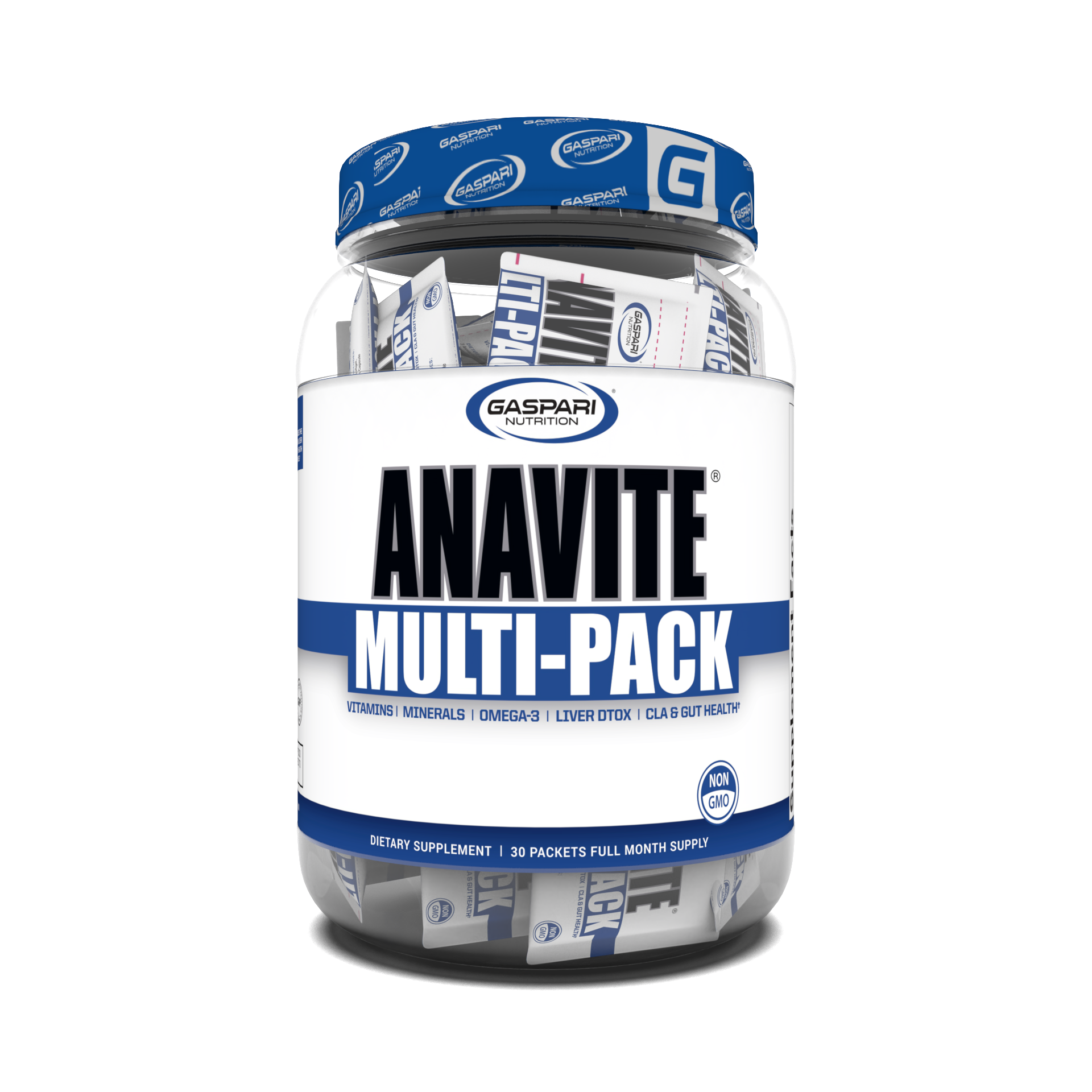
Creatine + protein (egg white protein or whey) covers both the energy system and the raw building blocks for recovery. Creatine + a solid multivitamin like Anavite fills micronutrient gaps that influence creatine metabolism. And creatine + NMN addresses complementary longevity pathways -- ATP regeneration alongside NAD+ restoration.
Frequently Asked Questions
Does creatine cause water retention and bloating?
Mild intracellular water retention in muscle tissue is normal during the first week. This is not visible "bloating" and typically stabilizes. Creatine does not cause fat gain.
Should older adults take creatine?
A 2026 systematic review in Nutrition Reviews concluded that creatine may support cognition in healthy older adults. Combined with its established benefits for muscle and bone, there's a strong case for adults over 50 to supplement daily.
Can creatine replace my pre-workout?
No. Creatine supports ATP regeneration over time, while pre-workout supplements provide acute stimulation and focus. They serve different purposes and work well together.
Is creatine safe long-term?
Creatine is one of the most extensively studied supplements in history. Decades of research confirm it is safe at recommended doses (3-5g/day) for long-term use in healthy adults.
Does creatine help with sleep deprivation?
A 2024 study in Nature's Scientific Reports found a single high dose of creatine improved cognitive performance during sleep deprivation for up to nine hours, suggesting it may help protect brain function under stress.

Share:
NMN and TMG: The Longevity Stack That Belongs in Every Athlete's Supplement Bag
Intra-Workout Supplements Explained: What to Take Mid-Workout