



GLP-1 medications are everywhere right now, and so is the question that follows them: can you support the same hormone naturally? The short, honest answer is that you can nudge your own GLP-1 in the right direction with food and habits, though not to the degree a prescription does. This guide explains what GLP-1 is, the natural levers that actually work for appetite and blood sugar, and a realistic comparison with the medications.
What GLP-1 Is and Why It Matters
GLP-1, short for glucagon-like peptide-1, is a hormone your gut releases when you eat. It does three useful things: it slows how fast your stomach empties, it tells your brain you are full, and it helps your body manage blood sugar by supporting insulin release. Together those effects curb appetite and smooth out the glucose swings that drive cravings. The popular medications work by mimicking this natural hormone at much higher, longer-lasting levels.
Protein Is Your Strongest Natural Lever
Protein is one of the most potent natural stimulators of GLP-1 release. In research, a whey protein preload before a meal significantly raised GLP-1, reduced subjective hunger, and improved post-meal glucose and insulin compared with a control. That is a direct, measurable effect from food alone, which is why protein belongs at the center of any natural GLP-1 strategy.
The practical move is simple: anchor every meal with a solid serving of protein, and consider a protein-rich start before larger meals. A quality whey like Proven Whey makes that easy, whether as a preload, a between-meal option, or a way to hit a protein target that keeps appetite in check all day.
Fiber Pulls Its Weight, Too
Fiber raises GLP-1 through more than one pathway. It slows digestion so fullness signals last longer, and it directly stimulates GLP-1 release. It also feeds the gut bacteria that produce short-chain fatty acids, which further strengthen satiety and blood sugar control. That combination is why high-fiber eaters tend to feel fuller on fewer calories.
Aim to build meals around vegetables, legumes, whole grains, fruit, nuts, and seeds. Pairing fiber with protein is the real winner, because the two reinforce each other's effect on the GLP-1 response and keep you satisfied far longer than refined carbs ever will.
Habits That Move the Needle
Meal order is an easy lever: starting with protein, fat, or fiber before the carbohydrate portion prompts an earlier GLP-1 release and blunts the blood sugar spike that follows a carb-heavy meal. The food is the same. The sequence changes the hormonal response.
Beyond the plate, the basics still rule. Regular exercise improves how your body handles blood sugar, quality sleep keeps the hunger hormones in balance, and managing stress curbs the cortisol that drives cravings. On the supplement side, a glucose disposal agent like Proven GDA is formulated to help shuttle glucose into your muscles and support healthy blood sugar after carb-heavy meals, which pairs naturally with the protein-and-fiber approach above.
The Foods That Naturally Support GLP-1
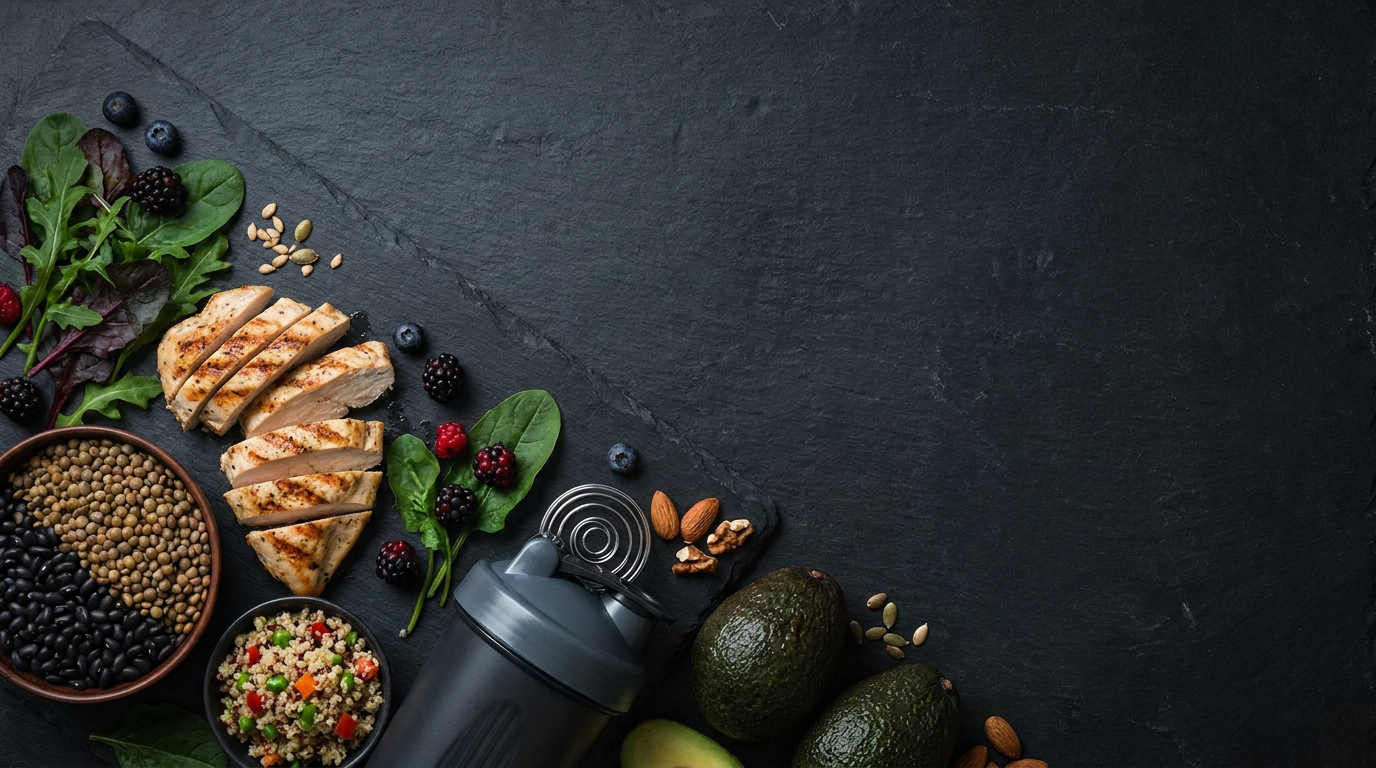
The best GLP-1-supporting foods are simply those high in protein, fiber, or healthy fat, ideally more than one at once. For protein, lean meats, fish, eggs, Greek yogurt, and whey lead the list. For fiber, load up on vegetables, beans and lentils, oats, berries, and chia or flax seeds. Healthy fats from avocado, nuts, and olive oil slow digestion further and extend fullness.
Fermented and gut-friendly foods deserve a mention too. Because much of fiber's benefit runs through the short-chain fatty acids your gut bacteria produce, a healthy gut amplifies the whole response. Yogurt, kefir, and other fermented foods support that bacterial ecosystem. The practical takeaway is that no single miracle food matters. A pattern built on protein, fiber, and whole foods, meal after meal, is what keeps your natural GLP-1 response working in your favor.
Natural Support vs Medications: The Honest Take
This is where honesty matters. Natural strategies raise GLP-1 modestly and briefly, in response to what you eat. Prescription GLP-1 medications produce far higher, sustained hormone activity, which is why they drive the dramatic results you read about. Food and habits are not a head-to-head replacement for that.
What natural support does well is build a foundation. Higher-protein, higher-fiber eating with smart meal timing genuinely improves appetite control and blood sugar for many people, and it carries none of the cost or side effects. For some, that is enough. For others, it makes a useful complement to medical treatment. Anyone considering medication should make that decision with a doctor, not a supplement label.
Building Your Natural GLP-1 Routine
You cannot out-supplement a prescription, but you can stack the natural levers in your favor. Lead with protein, load up on fiber, eat your carbs last, and protect your sleep, training, and stress. Done consistently, these habits support your body's own GLP-1 response and make appetite and blood sugar far easier to manage. Set realistic expectations, focus on the foundation, and let the results build from there.

Share:
Magnesium Glycinate for Sleep and Recovery: A Lifter's Guide