



Your NAD+ levels have been dropping since your 30th birthday. By middle age, they've fallen to roughly half of what they were in your youth. NAD+ drives cellular energy, DNA repair, and hundreds of metabolic reactions that keep you performing and recovering. The decline is silent, but the effects are not: slower recovery, less energy, and a body that doesn't bounce back like it used to.
That's where NMN and TMG come in. And if you're only taking one without the other, you're leaving results on the table.
Key Takeaways
- NMN raises NAD+ levels by 20-40% within four weeks at 500mg/day, supporting energy, recovery, and cellular repair.
- TMG protects methylation balance during NMN metabolism, making both supplements more effective together.
- A 1:1 dosing ratio (500mg NMN to 500mg TMG) taken in the morning is the standard starting protocol.
What Is NMN and Why Should You Care?
NMN (nicotinamide mononucleotide) is a direct precursor to NAD+, one of the most critical coenzymes in the human body. NAD+ fuels ATP production inside your mitochondria, activates sirtuins that regulate gene expression and inflammation, and supports DNA repair after oxidative stress. That's the kind of stress you accumulate every single training session.
Multiple human clinical trials confirm that oral NMN supplementation significantly increases blood NAD+ levels. A common finding across studies is a 20-40% increase at 500mg/day within four weeks. That's not theoretical. That's measured in human blood samples.
The problem? NAD+ production naturally declines with age, and intense training accelerates the demand. If you're over 35 and training hard, you're burning through NAD+ faster than your body can produce it.
What Is TMG and What Does It Bring to the Table?
TMG (trimethylglycine), also known as betaine, is a methyl donor found naturally in beets, spinach, and whole grains. Its primary job is supporting methylation, a biochemical process that controls gene expression, detoxification, and neurotransmitter production.
TMG also converts homocysteine into methionine. High homocysteine is a recognized cardiovascular risk factor, and research shows TMG supplementation can lower plasma homocysteine by up to 20%. For athletes, that's heart health protection layered on top of performance benefits.
But the real reason TMG matters here is what happens when you take NMN without it.
Why You Need Both: The Methylation Connection
When your body uses NAD+, it produces nicotinamide (NAM) as a byproduct. NAM needs to be cleared, and that clearance happens through methylation, which burns through your body's methyl group reserves.
Take high doses of NMN without replenishing those methyl groups and you risk depleting your methylation capacity over time. Dr. David Sinclair, the Harvard longevity researcher, takes 500-1,000mg of TMG daily alongside his NMN specifically for this reason.
People with MTHFR gene variants (which can reduce methylation capacity by 30-70%) are especially vulnerable to methyl depletion. Even without the genetic variant, pairing NMN with TMG is a straightforward insurance policy for keeping the entire system running efficiently.
NMN and TMG for Athletes: Performance Meets Longevity
Most NMN content online targets the anti-aging biohacker crowd. But the athletic applications are just as compelling.
A February 2026 exercise recovery trial using 1,200mg/day of NMN showed measurable effects on inflammatory signaling after intense training. Separate research has demonstrated NMN's role in improving aerobic capacity and supporting muscle preservation during aging.
TMG contributes its own athletic benefits. A 2022 study on collegiate athletes found that 5g of TMG daily over six weeks improved upper body strength in resistance training. Combined with NMN, you're covering both cellular energy production and physical performance.
This is the angle that separates Gaspari's approach from generic longevity brands. You don't have to choose between performing now and aging well. A properly designed supplement stack for building muscle can include longevity components without sacrificing training results.
How to Dose NMN and TMG
Start with a 1:1 ratio. 500mg of NMN paired with 500mg of TMG is the most commonly recommended protocol, supported by both clinical research and longevity experts.
Take both in the morning with food. NMN supports energy metabolism, so morning dosing aligns with your circadian rhythm and avoids any potential interference with sleep. After four to six weeks at the starting dose, you can evaluate whether to increase.
For athletes training intensely, some protocols use up to 900-1,000mg NMN daily with a matched or slightly higher TMG dose. Human trials have confirmed NMN is safe at doses up to 1,200mg/day with no serious adverse effects reported.
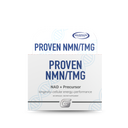
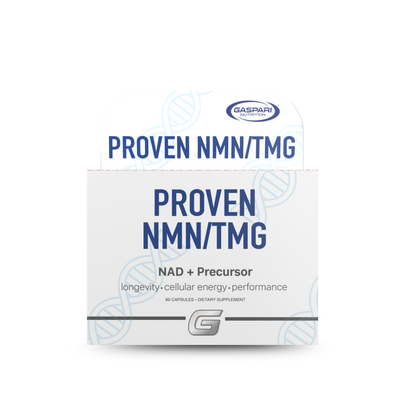
Gaspari's Proven NMN+TMG combines both ingredients in a single formula, removing the guesswork of buying and dosing them separately.
What to Look for in an NMN + TMG Supplement
Not all NMN products are equal. Look for 99%+ purity with a third-party certificate of analysis (COA). Avoid proprietary blends that hide actual ingredient amounts. Make sure the NMN dose per serving is at least 250mg. Anything less than that falls below what clinical trials use.
A combined NMN+TMG formula is more practical and often more cost-effective than buying two separate products. You also eliminate the risk of forgetting one half of the stack.
Frequently Asked Questions
Can I take NMN without TMG?
Yes, but TMG helps protect your methylation balance during NMN metabolism. Most longevity researchers recommend pairing them, especially at doses above 500mg/day.
How long before I notice results from NMN?
Most users report improved energy and mental clarity within one to two weeks. Measurable increases in blood NAD+ levels typically appear at four weeks of consistent supplementation.
Can I take NMN and TMG with creatine?
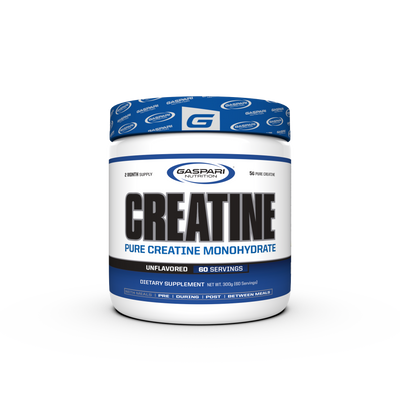
Absolutely. They work through completely different pathways. NMN supports NAD+ and cellular energy. Creatine supports ATP regeneration in muscle and brain tissue. Together they cover complementary aspects of performance and recovery.
Is NMN safe long-term?
Human clinical trials have confirmed safety at doses up to 1,200mg/day. TMG is safe at doses up to 15g/day. As with any supplement, consult your healthcare provider if you take prescription medications.
When is the best time to take NMN and TMG?
Morning with food is the recommended timing. NMN supports energy metabolism and aligns best with your body's natural circadian rhythm. Taking it later in the day may interfere with sleep for some individuals.


Share:
The Best Fat Burner Stack: How to Combine Supplements for Maximum Fat Loss
Creatine Beyond the Gym: Brain Health, Aging, and Why Everyone Should Be Taking It