



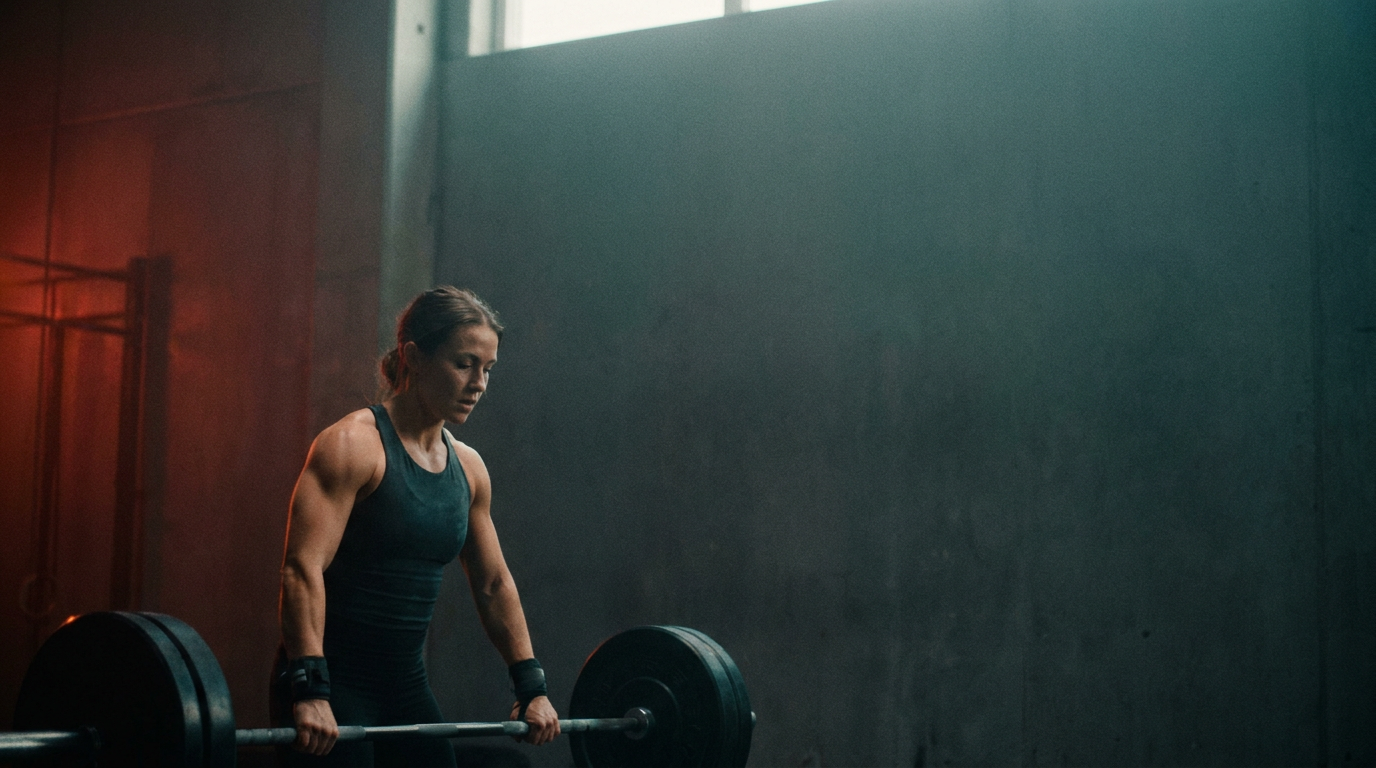
Creatine is the most researched sports supplement on the planet, yet plenty of women still skip it out of fear that it will make them bloated or bulky. Neither claim holds up. This guide cuts through the noise: the real benefits of creatine for women, the myths worth ignoring, the right dose, and how to use it safely so you actually feel the difference in the gym and beyond.
Creatine Works Just as Well for Women
Creatine is one of the few supplements that works just as well for women as for men, and research has studied it across every life stage, from young athletes to post-menopausal women. It reliably improves strength, power, and lean muscle when paired with resistance training. Women also tend to store less creatine in muscle and eat less of it from food, which means a daily supplement can close a real gap rather than top off an already full tank.
The Bloating and Bulking Myths, Put to Rest
Start with bloating, the myth that keeps the most women away. Creatine draws water into the muscle cell, not under the skin or into the stomach, so it makes muscle look fuller rather than puffy or watery. The only people who report true bloating are usually those slamming a high-dose loading phase, which is exactly the step most women should skip.
Bulky is not on the table either. Building large amounts of muscle requires years of dedicated training, a calorie surplus, and far more testosterone than most women produce. Creatine simply helps you train a little harder and recover a little better. The result is a leaner, stronger, more toned look, not size you did not ask for.
The Real Benefits Reach Past the Gym
The headline benefit is performance: more reps, more power, and faster recovery between sets, which adds up to better strength and lean muscle over time. But the upside reaches past the gym. Creatine fuels the brain as well as the muscles, and emerging research links it to sharper cognition, better mood, and steadier energy, especially when sleep is short.
It also appears especially valuable during perimenopause and menopause, when shifting hormones make muscle and bone harder to hold onto. A straightforward, well-dosed creatine like Proven Creatine for Women is formulated with exactly this in mind. If you want the added recovery support of HMB alongside your creatine, Creatine HMB pairs the two in one scoop.
Dosing Creatine the Simple Way
Keep it simple: 3 to 5 grams of creatine monohydrate per day, every day, no loading phase required. Loading with 20 grams a day for a week saturates your muscles a little faster, but it is also the step most likely to cause stomach discomfort, so for most women it is not worth it. A steady daily dose reaches the same saturation in three to four weeks.
Timing matters far less than consistency. Take it whenever you will remember, with or without food, on training days and rest days alike. The benefits come from keeping your muscles saturated over weeks and months, not from one perfectly timed scoop.
Creatine Is Safe, and the Research Runs Deep
Creatine has one of the strongest safety profiles of any supplement on the market, with decades of research behind doses of 3 to 5 grams a day. It does not damage healthy kidneys or the liver, despite the persistent rumor. The water it pulls into your muscles is a normal, healthy part of how it works, not a sign of harm.
If you are pregnant, nursing, or managing a kidney condition, check with your doctor first, as you would with any supplement. For the vast majority of healthy, active women, daily creatine is both safe and genuinely effective.
What to Expect in the First Month
Give it three to four weeks. With a steady 3 to 5 grams a day, your muscles gradually reach full saturation over about a month, and that is when the strength and performance benefits become obvious. If you choose to load, you will feel it sooner, but the end point is the same. Patience beats impatience here.
Expect a small, early bump on the scale of one to three pounds. That is water moving into your muscle cells, not fat, and it is a sign the creatine is working. After that initial shift, any further weight change comes from the muscle you build through training. Judge creatine by your performance in the gym and how you look in the mirror, not by a single number on the scale.
Adding Creatine to Your Routine
Creatine is close to a no-brainer for women who lift, run, or simply want to hold onto strength and lean muscle as they age. Forget the bloating and bulking myths. Take 3 to 5 grams a day, stay consistent, and give it a few weeks to saturate before you judge the results. The combination of better workouts, faster recovery, and brain support is hard to match for the price. Start with a clean daily creatine and build the rest of your routine around it.


Share:
The Dragon Slayer: How Rich Gaspari Beat Bigger Bodybuilders
Electrolytes for Athletes: Why They Matter for Performance