



You can train hard, eat well, and still see your performance fall apart over something as basic as electrolytes. These minerals run every muscle contraction and nerve signal in your body, and you lose them every time you sweat. For athletes, getting electrolytes right is not a detail. It is the difference between holding your output and fading in the back half of a session. Here is what they do, how to spot a shortfall, and how to time your intake around training.
What Electrolytes Actually Do
Electrolytes are minerals that carry an electrical charge, and your body runs on that current. Sodium, potassium, magnesium, chloride, and calcium regulate fluid balance, transmit nerve signals, and drive every muscle contraction. Think of them like the charge in a battery: once they run low, the signal weakens and everything from power output to coordination starts to slip. No amount of plain water fixes a mineral shortage.
The Warning Signs of an Imbalance
The warning signs tend to show up mid-session, and they are easy to dismiss. Muscle cramps are the classic one, but watch for dizziness, an early drop in strength, nausea, headache, or a heartbeat that feels off. Sluggishness that hits sooner than usual often points to electrolytes rather than poor conditioning.
It can also swing too far the other way. Drinking large volumes of plain water during long, sweaty efforts can dilute your blood sodium, a dangerous condition called hyponatremia. That is why fluid alone is not the answer. You need to replace minerals along with the water.
Sodium, Potassium, and Magnesium for Athletes
Sodium is the heavy hitter, because it is the electrolyte you lose most in sweat, at roughly 1 gram per liter, though that ranges from about half a gram to over 2 grams per liter from person to person. It holds onto fluid and keeps nerve signals firing, which is why endurance and team-sport athletes feel the difference fastest when they replace it.
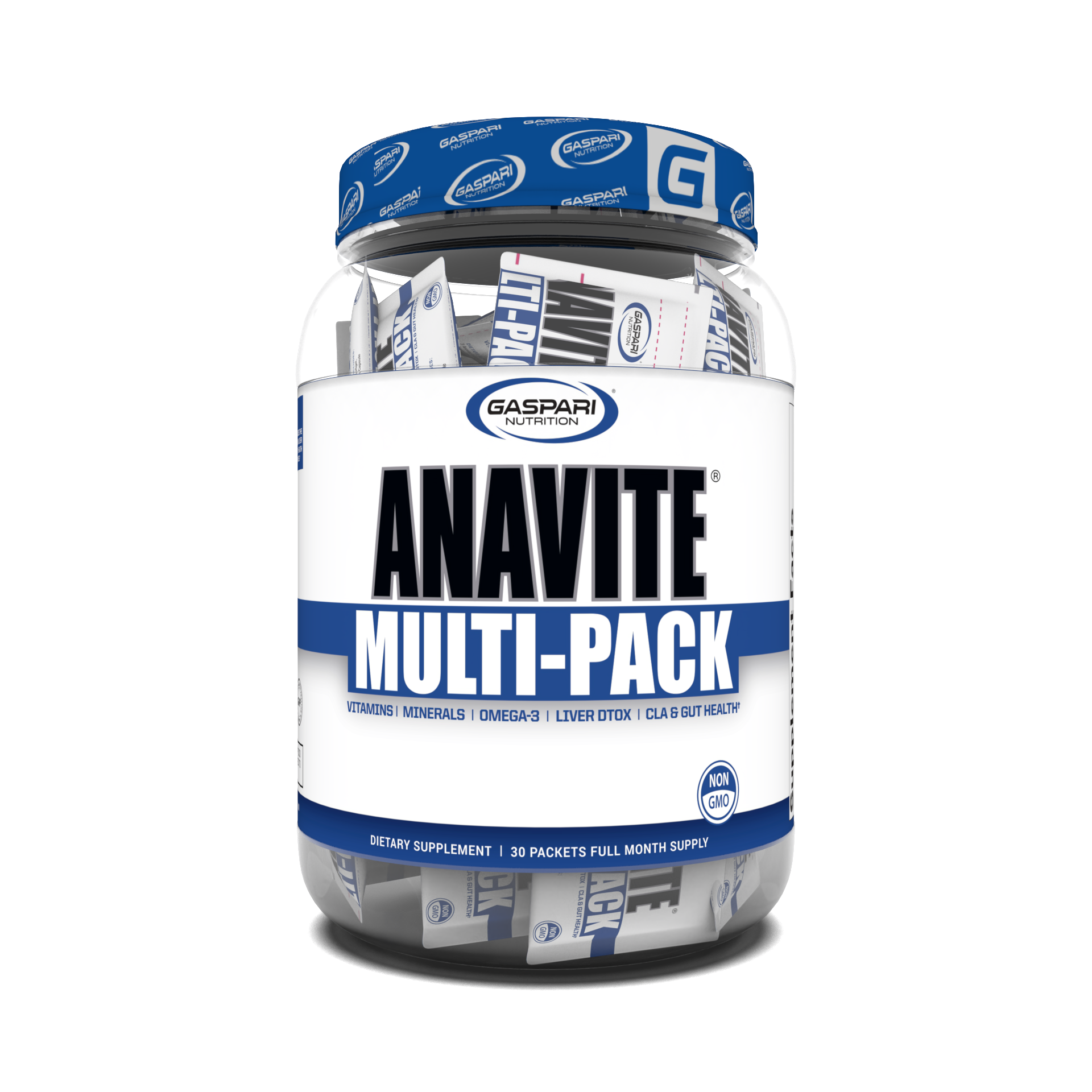
Potassium works alongside sodium to manage fluid balance and prevent cramps, and you lose a few hundred milligrams per liter of sweat. Magnesium plays a quieter but vital role in muscle relaxation, energy production, and recovery, and many athletes run low on it. A performance multivitamin like Anavite helps cover magnesium and other key micronutrients that hard training depletes.
When to Replace Electrolytes Around Training
Timing matters because dehydration of just 2 percent of your body weight can cut endurance performance by up to 10 percent, and the hit is worse in the heat. Start hydrated, drink to thirst during the session, and add electrolytes once you are sweating heavily or training beyond an hour. A practical target is 500 to 600 milligrams of sodium and at least 450 milliliters of water per hour of hard effort.
For long or intense sessions, pairing your fluids with carbohydrates and electrolytes does double duty: it sustains energy and replaces minerals at the same time. A formula like GlycoFuse delivers fast-digesting carbs that ride alongside your hydration, so you are fueling and replenishing in one bottle rather than chasing each separately.
Do You Need a Sports Drink, or Just Salt?
It depends on how long and hard you train. For short sessions under an hour, a pinch of salt in your water or a normal post-workout meal usually replaces what you lost. The classic sports drink earns its place once sessions run long, because then you need fluid, sodium, and carbohydrates all at once, and a single drink covers all three.
The mistake is treating every workout like an endurance event. Sugary sports drinks during a 45-minute lift add calories you do not need. Match the tool to the demand: water and dietary sodium for short sessions, a carbohydrate and electrolyte drink for long or hot ones, and a daily multivitamin to backfill the magnesium and trace minerals that training quietly drains over time. Reading your own sweat and conditions beats following a one-size rule.
Who Actually Needs More
Not everyone needs to chase electrolytes, but certain athletes absolutely do. If you are a heavy or salty sweater, train longer than an hour, compete in heat or humidity, or sweat through your shirt by the warm-up, you lose far more than a casual gym-goer. Endurance athletes, team-sport players, and anyone doing two-a-days fall squarely in this group.
If your sessions are short and indoors, your normal diet probably covers you. The need scales with how much you sweat, so let your output and conditions guide how aggressively you replace.
Dialing In Your Electrolyte Strategy
Electrolytes are the unglamorous foundation of athletic performance and recovery. Replace what you sweat out, lead with sodium, do not neglect potassium and magnesium, and never rely on plain water alone during long, hot sessions. Match your intake to your sweat rate and the conditions, and you will hold your output deeper into training and recover faster afterward. Get the basics right and everythi

Share:
Best Creatine for Women: Benefits, Myths, and How to Use It