



There's an ingredient sitting in your pre-workout that's quietly doing more work than everything else in the formula. It's boosting your pumps, sharpening your focus, and lifting your mood, all through mechanisms that no other supplement on the market touches in quite the same way.
That ingredient is agmatine sulfate. And it deserves a lot more attention than it gets.
Key Takeaways
- Agmatine sulfate simultaneously modulates nitric oxide for pumps, NMDA receptors for focus, and monoamine pathways for mood.
- Standard pre-workout dosing is 500-1,000mg taken 20-30 minutes before training on an empty stomach.
- Unlike arginine or citrulline, agmatine acts as a neuromodulator with neuroprotective properties.
What Is Agmatine Sulfate?
Agmatine is a naturally occurring compound your body already makes. It's produced when the amino acid L-arginine undergoes decarboxylation, and it's stored in neurons throughout your brain, ready to be released during periods of high neural activity.
Think of it this way: L-citrulline converts to L-arginine, which converts to agmatine. It's the downstream metabolite in the nitric oxide pathway, but its effects go far beyond simple NO production.
The "sulfate" in agmatine sulfate is just the salt form used in supplements for better solubility and absorption. What makes agmatine unusual is how many receptor systems it interacts with: NMDA glutamate receptors, imidazoline receptors, alpha-2 adrenergic receptors, and the nitric oxide pathway. No other single supplement ingredient hits all four.
Agmatine for Muscle Pumps: Not Just Another NO Booster
Here's where agmatine separates itself from citrulline and arginine. Instead of simply flooding the system with more nitric oxide precursors, agmatine selectively modulates NO production. It inhibits nNOS (neuronal nitric oxide synthase) while supporting eNOS (endothelial nitric oxide synthase), the form responsible for vasodilation in blood vessels.
The result is a more sustained, quality pump rather than a quick rush that fades. Blood vessels relax and widen, nutrient-rich blood flows into working muscles, and the effect lasts through your entire session.
For maximum pump, the smartest approach is combining agmatine with citrulline. They hit different parts of the NO pathway, so together they're more effective than either alone. That's exactly why Gaspari formulated SuperPump Aggression with agmatine as a core ingredient alongside other performance compounds.
The Nootropic Side: Focus Under the Bar
This is where agmatine gets really interesting. It interacts with NMDA glutamate receptors, the same receptors involved in learning, memory, and synaptic plasticity. By modulating glutamate activity, agmatine helps protect neurons from excitotoxicity (damage from overactivation) while supporting the neural connections that drive focus and mind-muscle connection.
Research has shown that brain agmatine levels actually increase during learning tasks. Your body upregulates production when cognitive demand rises. Supplementing with agmatine gives you a head start on that process.
For lifters, this translates to better concentration during heavy sets, improved mind-muscle connection, and sustained focus when fatigue starts creeping in. It's not a stimulant buzz. It's a cleaner, calmer attentiveness, which is exactly what you want when you're under a heavy barbell.
Agmatine also has emerging evidence for neuroprotection. A 2025 study showed it protected hippocampal neurons against oxidative damage, and preclinical research has demonstrated increased BDNF (brain-derived neurotrophic factor) levels, a protein critical for long-term brain health.
Mood, Stress, and Recovery
Agmatine influences serotonin and dopamine pathways, which explains the mood-lifting effect many users report. A 2025 animal study found that daily agmatine administration reduced anxiety-like behaviors in subjects with persistent inflammation.
The human evidence here is still early. But combined with consistent anecdotal reports from the nootropic and fitness communities, the mood-support angle is plausible and worth paying attention to as more research emerges.
For athletes, mood and stress management aren't soft benefits. Cortisol regulation, motivation, and mental resilience directly affect training consistency and recovery. Anything that takes the edge off without sedation or impaired performance is worth considering.
How to Dose Agmatine Sulfate
Take 500-1,000mg about 20-30 minutes before training, ideally on an empty stomach for best absorption. Amino acids compete for transport, so taking agmatine away from protein-rich meals gives it a cleaner pathway into your system.
Daily total should stay below 2,000mg. Higher doses (up to 3,560mg/day) have been studied in clinical pain trials and shown good tolerability, but for performance purposes there's no established benefit beyond the 1,000mg range.
One important note: avoid stacking agmatine with excessive stimulants. High-dose caffeine and other CNS stimulants cause vasoconstriction, which directly counteracts agmatine's vasodilating pump effects. A moderate amount of caffeine (200-300mg) is fine. Five scoops of a stim-heavy pre-workout is not.
Stacking Agmatine for Maximum Effect
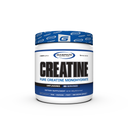
Agmatine pairs well with citrulline (complementary NO pathways), creatine (ATP regeneration + blood flow), and moderate caffeine (focus synergy without killing the pump).
For a full training day stack that covers pre, intra, and post-workout nutrition, see the complete muscle building supplement stack guide.
Frequently Asked Questions
Is agmatine better than citrulline for pumps?
They work differently. Citrulline is a direct NO precursor. Agmatine modulates NO production more selectively. Best results come from using both together, which is why many well-formulated pre-workouts include both.
Can I take agmatine on non-training days?
Yes. Lower doses (250-500mg) on rest days can support mood and cognitive benefits without the training-specific pump effects.
Why isn't agmatine more popular?
It's less flashy than stimulants in marketing. Its effects are subtle and cumulative rather than immediately dramatic. But pharmacologically, it's one of the most versatile single ingredients in the supplement space.
Does agmatine have side effects?
At standard doses (500-1,000mg), agmatine is well tolerated. Some users report mild GI discomfort at higher doses. It's generally considered safe based on available human safety data.
Can I stack agmatine with a stimulant pre-workout?
Yes, but keep stimulant doses moderate. High-dose caffeine causes vasoconstriction that counteracts agmatine's pump benefits. Aim for 200-300mg caffeine max when stacking with agmatine.




Share:
The GLP-1 Effect: Natural Supplements That Support Blood Sugar and Weight Management
The Warrior Mentality: How Rich Gaspari Built His Physique by Training Past the Pain