


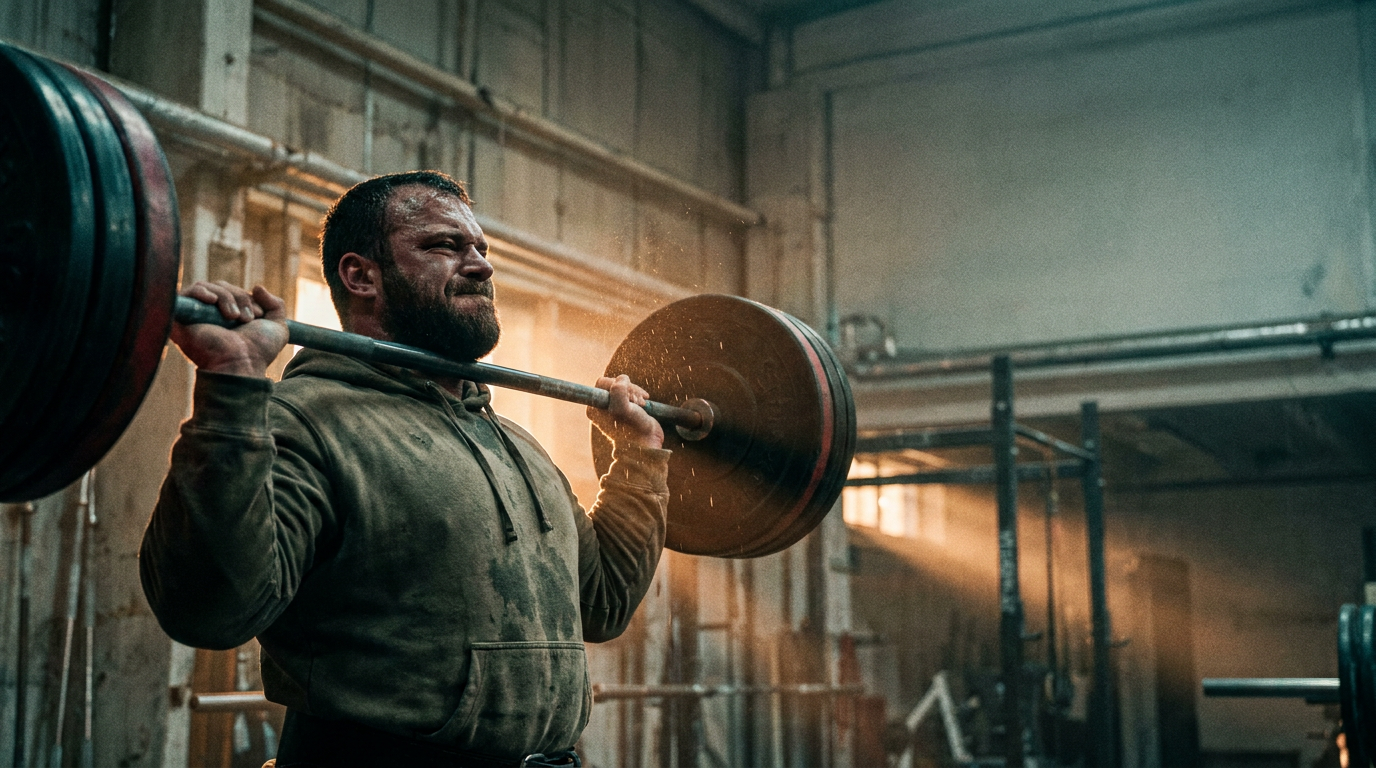
Few gym debates run as hot as the bro split versus push pull legs. One trains a single muscle group per day, the other groups your body into movement patterns you can repeat through the week. Both build muscle, but they do not build it equally for everyone. This guide breaks down each split, the pros and cons, what the research says about frequency, and how to pick the one that fits your goals.
The Bro Split, Explained
A bro split dedicates each training day to one muscle group: chest Monday, back Tuesday, shoulders Wednesday, and so on. It is the classic bodybuilding template, usually run five days a week, and it lets you absolutely hammer one body part per session with high volume. The trade-off is that each muscle gets trained directly only once every seven days.
Push Pull Legs, Explained
Push pull legs, or PPL, groups your body by movement pattern. Push day covers chest, shoulders, and triceps. Pull day handles back and biceps. Leg day takes the lower body. Run twice through, and you get a six-day week that trains every muscle group two times. That higher frequency is the whole point, and it is where PPL pulls ahead for many lifters.
Why Training Frequency Matters
For most people, it does. A meta-analysis by Schoenfeld and colleagues found that training a muscle group at least twice per week produced superior hypertrophy compared with once weekly when total volume was equal. That single finding is the strongest argument against the traditional bro split and in favor of higher-frequency setups like PPL.
There is an important caveat. The same body of research suggests that in well-trained lifters, frequency matters less once weekly volume is high enough. So an advanced bodybuilder who can pile on enough sets in one brutal session may do fine on a bro split, while most beginners and intermediates grow faster spreading that work across two sessions.
Bro Split vs Push Pull Legs: Pros and Cons
The bro split shines on focus and recovery. You walk in knowing exactly what to train, you can chase a serious pump, and each muscle gets a full week to recover. The downside is low frequency and a fragile schedule: miss chest day and that muscle waits another week.
PPL wins on frequency and flexibility. Hitting each muscle twice weekly suits how most people build muscle, and the structure scales from three days to six. The catch is time. The classic version asks for six days in the gym, which not everyone can commit to, and back-to-back days can wear on recovery if sleep and nutrition lag.
Volume Is the Real Driver
Volume, meaning the total number of hard sets per muscle each week, is the real driver of muscle growth, and the split mostly decides how you distribute it. Most lifters grow well on roughly 10 to 20 sets per muscle group per week. The question is whether you cram that into one session or spread it across two.
On a bro split, all of your weekly sets for a muscle land in a single day, which can mean 16 or more sets in one session. The last few sets of that pile tend to be lower quality as fatigue sets in. Push pull legs splits the same volume across two days, so each session stays fresher and more productive. That quality difference, on top of the frequency advantage, is why higher-frequency splits tend to win for most people, even when the weekly set total is identical.
How to Pick Your Split
Match the split to your training age and your schedule. If you are a beginner or intermediate, or you can only train three to four days, a push pull legs structure or an upper/lower variation will likely build muscle faster thanks to that twice-weekly frequency. If you are advanced, love high-volume sessions, and can train five or more days, a bro split can still deliver.
Whichever you run, the fundamentals decide your results: progressive overload, enough total volume, protein, and recovery. A strong pre-workout helps you bring real intensity to either split, and SuperPump Max is built for exactly that kind of session-long energy and pumps. Back it with enough daily protein from a quality whey like Proven Whey, and the split you choose becomes a detail rather than a make-or-break decision.
The Bottom Line on Splits
There is no single best training split, only the best one for you right now. Push pull legs edges out the bro split for most lifters because it trains each muscle twice a week, which the research favors. The bro split still works for advanced trainees who thrive on high-volume, single-muscle days. Pick the one you will stick to, train hard, eat enough protein, and progress over time. Consistency beats

Share:
Arnold Press: Build Stronger, Wider Shoulders Like The Legend Himself