
Latest Ingredient Insights

Natural GLP-1 Support: Supplements and Habits That Help
GLP-1 medications are everywhere right now, and so is the question that follows them: can you support the same hormone naturally? The short, honest answer is that you can nudge your own GLP-1 in the right direction with food and habits, though not to the degree a prescription does. This guide explains what GLP-1 is, the natural levers that actually work for appetite and blood sugar, and a realistic comparison with the medications.
What GLP-1 Is and Why It Matters
GLP-1, short for glucagon-like peptide-1, is a hormone your gut releases when you eat. It does three useful things: it slows how fast your stomach empties, it tells your brain you are full, and it helps your body manage blood sugar by supporting insulin release. Together those effects curb appetite and smooth out the glucose swings that drive cravings. The popular medications work by mimicking this natural hormone at much higher, longer-lasting levels.
Protein Is Your Strongest Natural Lever
Protein is one of the most potent natural stimulators of GLP-1 release. In research, a whey protein preload before a meal significantly raised GLP-1, reduced subjective hunger, and improved post-meal glucose and insulin compared with a control. That is a direct, measurable effect from food alone, which is why protein belongs at the center of any natural GLP-1 strategy.
The practical move is simple: anchor every meal with a solid serving of protein, and consider a protein-rich start before larger meals. A quality whey like Proven Whey makes that easy, whether as a preload, a between-meal option, or a way to hit a protein target that keeps appetite in check all day.
Fiber Pulls Its Weight, Too
Fiber raises GLP-1 through more than one pathway. It slows digestion so fullness signals last longer, and it directly stimulates GLP-1 release. It also feeds the gut bacteria that produce short-chain fatty acids, which further strengthen satiety and blood sugar control. That combination is why high-fiber eaters tend to feel fuller on fewer calories.
Aim to build meals around vegetables, legumes, whole grains, fruit, nuts, and seeds. Pairing fiber with protein is the real winner, because the two reinforce each other's effect on the GLP-1 response and keep you satisfied far longer than refined carbs ever will.
Habits That Move the Needle
Meal order is an easy lever: starting with protein, fat, or fiber before the carbohydrate portion prompts an earlier GLP-1 release and blunts the blood sugar spike that follows a carb-heavy meal. The food is the same. The sequence changes the hormonal response.
Beyond the plate, the basics still rule. Regular exercise improves how your body handles blood sugar, quality sleep keeps the hunger hormones in balance, and managing stress curbs the cortisol that drives cravings. On the supplement side, a glucose disposal agent like Proven GDA is formulated to help shuttle glucose into your muscles and support healthy blood sugar after carb-heavy meals, which pairs naturally with the protein-and-fiber approach above.
The Foods That Naturally Support GLP-1
The best GLP-1-supporting foods are simply those high in protein, fiber, or healthy fat, ideally more than one at once. For protein, lean meats, fish, eggs, Greek yogurt, and whey lead the list. For fiber, load up on vegetables, beans and lentils, oats, berries, and chia or flax seeds. Healthy fats from avocado, nuts, and olive oil slow digestion further and extend fullness.
Fermented and gut-friendly foods deserve a mention too. Because much of fiber's benefit runs through the short-chain fatty acids your gut bacteria produce, a healthy gut amplifies the whole response. Yogurt, kefir, and other fermented foods support that bacterial ecosystem. The practical takeaway is that no single miracle food matters. A pattern built on protein, fiber, and whole foods, meal after meal, is what keeps your natural GLP-1 response working in your favor.
Natural Support vs Medications: The Honest Take
This is where honesty matters. Natural strategies raise GLP-1 modestly and briefly, in response to what you eat. Prescription GLP-1 medications produce far higher, sustained hormone activity, which is why they drive the dramatic results you read about. Food and habits are not a head-to-head replacement for that.
What natural support does well is build a foundation. Higher-protein, higher-fiber eating with smart meal timing genuinely improves appetite control and blood sugar for many people, and it carries none of the cost or side effects. For some, that is enough. For others, it makes a useful complement to medical treatment. Anyone considering medication should make that decision with a doctor, not a supplement label.
Building Your Natural GLP-1 Routine
You cannot out-supplement a prescription, but you can stack the natural levers in your favor. Lead with protein, load up on fiber, eat your carbs last, and protect your sleep, training, and stress. Done consistently, these habits support your body's own GLP-1 response and make appetite and blood sugar far easier to manage. Set realistic expectations, focus on the foundation, and let the results build from there.

Magnesium Glycinate for Sleep and Recovery: A Lifter's Guide
You can nail your training and your protein and still leave gains on the table if you sleep poorly and recover slowly. Magnesium sits at the center of both, and it is one of the most commonly under-consumed minerals in the modern diet. The glycinate form has earned a reputation as the lifter's choice. Here is why magnesium matters for athletes, how glycinate stacks up against other forms, and exactly how to use it.
Why Magnesium Matters for Athletes
Magnesium drives more than 300 enzyme reactions in the body, including energy production, muscle contraction, and nerve function, yet it is one of the most commonly under-consumed nutrients in modern diets. For athletes the stakes are higher, because hard training and heavy sweating both deplete magnesium faster. Run low and you may notice worse sleep, more cramps, lingering fatigue, and slower recovery, all of which quietly cap your progress.
What Sets Magnesium Glycinate Apart
Magnesium glycinate is magnesium bound to the amino acid glycine, and that pairing is what sets it apart. It is highly absorbable and far gentler on the stomach than forms like magnesium oxide or citrate, which often cause a laxative effect at useful doses. That makes glycinate the better choice for daily use and for taking before bed.
The glycine half is a bonus, not just a carrier. Glycine is a calming amino acid shown to support deeper, more restorative sleep on its own. So magnesium glycinate delivers two relaxation-friendly compounds in one, which is exactly why it has become the go-to form for sleep and recovery.
How Glycinate Improves Your Sleep
Magnesium helps regulate the neurotransmitters that calm your nervous system, including boosting the activity of GABA, the chemical that helps your brain wind down for sleep. Better sleep is not a soft benefit for a lifter. High-quality sleep is when the bulk of your growth hormone is released and the majority of muscle repair happens.
That is the real recovery link. By helping you fall asleep faster and reach deeper sleep stages, magnesium glycinate indirectly improves your body's ability to rebuild the muscle you broke down in training. Poor sleep blunts recovery no matter how clean your nutrition is.
The Link to Cramps and Recovery
Magnesium is essential for muscle relaxation, the other half of every contraction, so adequate levels help prevent the cramping and tightness that nag hard-training athletes. It also supports electrolyte balance, which is why it belongs in the recovery conversation alongside sodium and potassium.
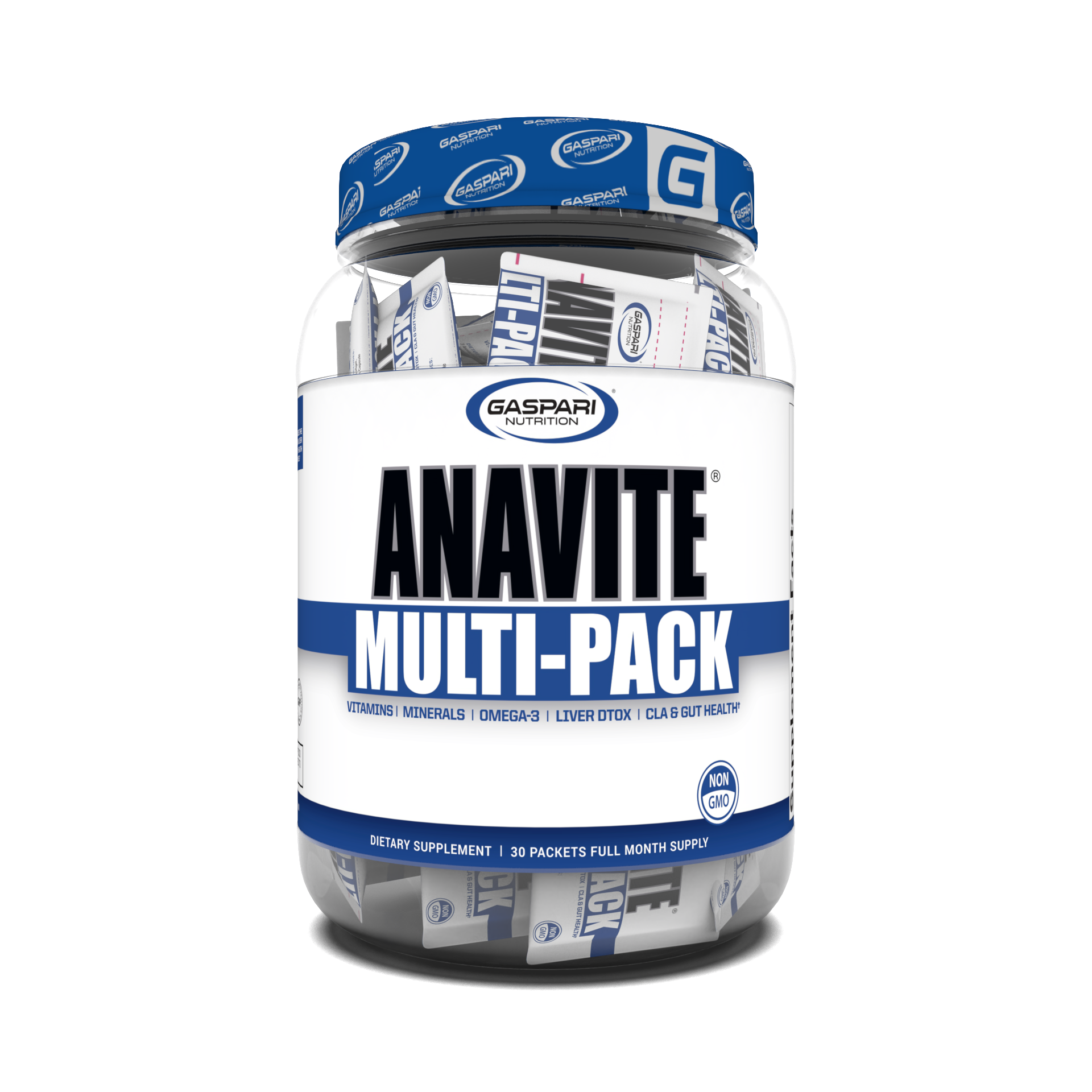
Magnesium rarely works alone, though. It pairs naturally with the other micronutrients that training depletes, which is why a performance multivitamin like Anavite includes magnesium as part of a broader recovery formula. For lifters who want recovery support that reaches the muscle directly, Creatine HMB adds creatine and HMB to help preserve and rebuild muscle between sessions.
How Much to Take, and When
Start with your daily target. The recommended intake is about 420 milligrams per day for men and 320 milligrams for women, counting food and supplements together. From supplements specifically, most people do well with 200 to 350 milligrams of elemental magnesium, and it is smart to begin at the lower end to see how your body responds.
Timing favors the evening. Taking magnesium glycinate one to two hours before bed lines up with its calming, sleep-supporting effects. If you take a higher total dose, splitting it across the day improves absorption and comfort. Consistency matters more than any single dose, so make it a nightly habit.
Getting Magnesium from Food
You can get a good amount, but many active people still fall short. Magnesium-rich foods include leafy greens, nuts and seeds, beans, whole grains, and dark chocolate. Building those into your meals should be the foundation, and for some people a solid diet covers the daily requirement on its own.
The problem is that hard training and heavy sweating raise your needs while modern diets and depleted soils often deliver less than they used to. That gap is why so many athletes test low despite eating reasonably well. A supplement is not about replacing food, it is about closing the shortfall on top of it. Start with the food sources, then add a well-absorbed form like glycinate in the evening to make sure you consistently hit your target, especially during heavy training blocks when recovery demands are highest.
Making Magnesium Part of Your Recovery Stack
Magnesium glycinate is a quiet workhorse for lifters: highly absorbable, easy on the gut, and doubly useful thanks to the glycine that rides along with it. It supports the deep sleep where real recovery happens, eases cramps, and helps round out the minerals that hard training burns through. Take 200 to 350 milligrams in the evening, stay consistent, and treat it as the recovery foundation it is. Better sleep and fewer cramps.

Intra-Workout Supplements Explained: What to Take Mid-Workout
Walk into any serious gym and you will see lifters sipping colored drinks between sets. Some of it is marketing, but a good chunk of it is backed by real science. So what should you actually be drinking while you train? This guide breaks down intra-workout supplements: what they are, which ingredients earn a spot in your bottle, who benefits most, and how to time them so you train harder and recover faster.
What Intra-Workout Nutrition Actually Means
Intra-workout supplements are products you consume during a training session, as opposed to before it or after it. The three with the most evidence behind them are essential amino acids to protect and build muscle, fast-digesting carbohydrates to fuel longer sessions, and electrolytes to replace what you sweat out. The goal is to keep your body supplied in real time so performance and recovery do not slip while you are still training.
The Truth: Most Workouts Do Not Need It
Most lifters running a standard 45-minute session with a meal on either side do not strictly need anything more than water. Intra-workout fueling earns its place as the demands climb. Think sessions longer than 60 to 90 minutes, fasted training, very high training volume, double days, or heavy sweating in hot conditions. In those cases, what you sip is the difference between finishing strong and grinding out your last sets on an empty tank. If your workouts are short and you eat well around them, save your money and drink water.
EAAs Are Your Muscle Insurance
Essential amino acids are the strongest mid-session pick for one reason: research in the American Journal of Physiology found that a dose as small as 3 grams of EAAs can stimulate muscle protein synthesis, the process that repairs and grows muscle. The nine essential aminos, including the branched-chain trio of leucine, isoleucine, and valine, are the raw material your body cannot make on its own.
The response climbs up to roughly 15 grams, beyond which extra aminos add little. Taking EAAs during exercise also helps blunt muscle breakdown, which matters most when you train fasted or while dieting. This is also why EAAs beat plain BCAAs mid-session: branched-chain aminos alone cannot build complete muscle protein, while the full nine can. A full-spectrum formula like Proven EAAs covers all nine in a leucine-forward ratio, so you get the complete picture instead of a partial one.
Carbs Earn Their Place on Long Sessions
Once your session runs past 60 to 90 minutes, carbs start to earn their keep. Sports nutrition guidelines from the American College of Sports Medicine recommend 30 to 60 grams of carbohydrate per hour for endurance efforts of 1 to 2.5 hours, and up to 90 grams per hour for prolonged work beyond that. Carbs keep blood glucose steady and spare muscle glycogen, the stored fuel your muscles burn during hard sets.
The catch is your stomach. Plain sugary drinks can sit heavy and turn into cramps. A specialized carbohydrate like GlycoFuse uses a highly branched cyclic dextrin that clears the stomach fast and delivers steady energy without the sugar crash, which makes it a smart intra-workout carb for high-volume lifting and endurance days alike.
Electrolytes Keep You Firing Late
Electrolytes matter because dehydration of just 2% of your body weight can cut endurance performance by up to 10%, and the hit is worse in the heat. Sodium, potassium, magnesium, and chloride manage your fluid balance, nerve signaling, and muscle contractions. You lose them in sweat, with sodium leading the way at roughly 1 gram per liter, though that ranges from about half a gram to over 2 grams per liter from person to person.
Watch for the warning signs of an imbalance: muscle cramps, dizziness, an early drop in strength, or a headache that creeps in late in the session. For long or sweaty sessions, a good target is 500 to 600 milligrams of sodium and at least 450 milliliters of water per hour. Chugging plain water alone can actually dilute your sodium, so pairing fluid with electrolytes protects both performance and safety.
Timing It Right
Start sipping early rather than waiting until you feel drained. Mix your EAAs, carbs, or electrolyte formula into 500 to 750 milliliters of water and drink steadily across the session, roughly every 15 to 20 minutes. For a typical 60 to 90 minute training block, a serving of EAAs plus electrolytes works well. Add a carbohydrate like GlycoFuse when the session is long, intense, or done fasted. Front-loading nutrients before you hit the wall is far more effective than trying to claw back energy once it is gone.
Building Your Intra-Workout Stack
Intra-workout supplements are not a gimmick, but they are not mandatory for every session either. The trick is matching the tool to the demand: EAAs to protect and build muscle, carbs to fuel endurance, and electrolytes to stay hydrated and firing. Get those three right on your hardest training days and you will hold output longer, push more total work, and recover quicker.
Ready to dial in your mid-workout nutrition? Build a stack around Proven EAAs and GlycoFuse, and match the right tools to your hardest training days.